THERE IS NO FUTURE IN WINGING IT
There was a time when building out a container meant just figuring it out as you went.
You’d sketch something on the back of a piece of paper, grab your tools, and make it work. Measure, drill, adjust, redo. If things lined up, great. If not, you fixed it on the fly. That was just part of the process.
But that way of working doesn’t really make sense anymore.
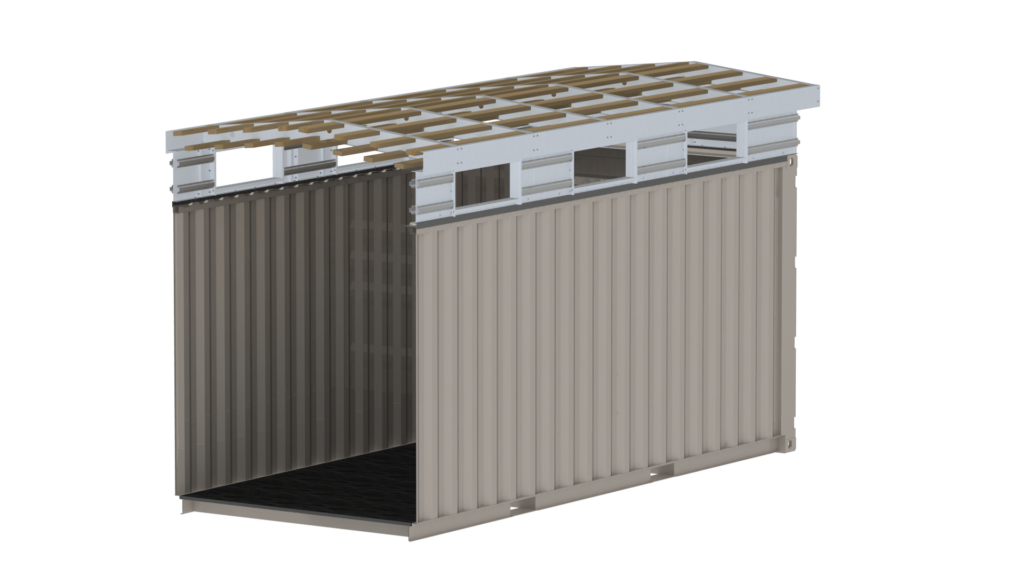
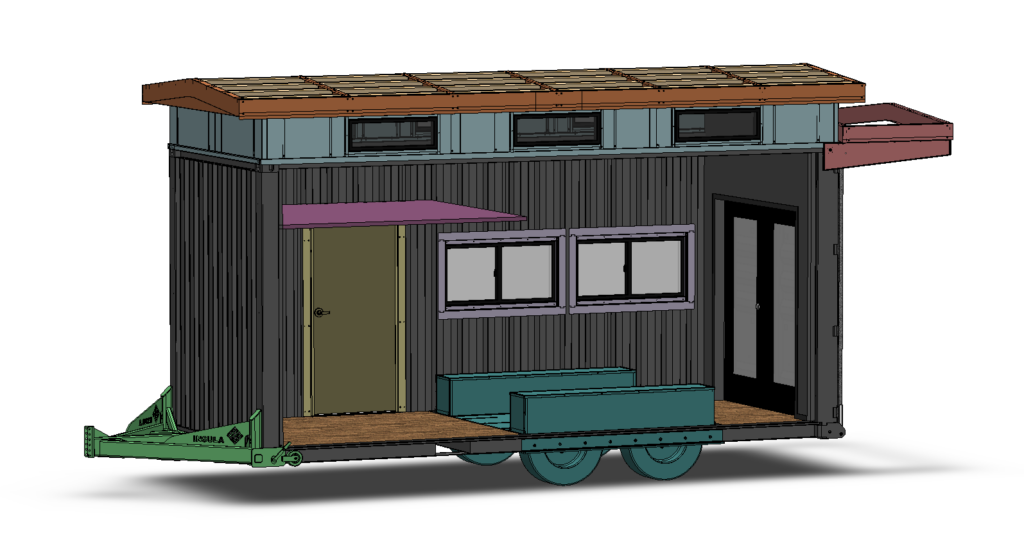
Advanced manufacturing has completely changed how container modifications are done. Today, the best work isn’t improvised, it’s engineered ahead of time. Pre-designed, kitted upgrades are becoming the standard, and for good reason.
Everything is thought through before it ever gets built.
Materials are cut using nested layouts, so you’re getting the most out of every sheet of steel with almost no waste. It’s efficient, it’s consistent, and it eliminates a lot of the trial-and-error that used to slow jobs down.
When it comes time to install, you feel the difference right away.
You’re not spending hours drilling holes or trying to make things line up. The parts are made to fit properly from the start.
And these kits come complete, with all the hardware included—so you’re not chasing down missing pieces or making last-minute adjustments just to keep moving.
It’s a smoother process, plain and simple.
Build times come down. Waste is minimized. The finished product is cleaner and more consistent. You’re not relying on luck or experience alone, you’re working with a system that’s designed to deliver the same result every time.
This is where things are headed. Kitted modifications built through advanced manufacturing aren’t just a nice upgrade, they’re the future of this industry.
That said, not everyone is operating at that level yet.
There are still shops doing things the old way, cutting and modifying as they go. And if you don’t know what to look for, it’s easy to end up paying for that inefficiency, whether it shows up as delays, poor fitment, or inconsistent quality.
So it’s worth paying attention to who you’re working with.
Are they building with a plan, or figuring it out as they go? Are they using engineered systems, or relying on guesswork?
Because at the end of the day, there’s a big difference between something that “should work” and something that’s built to work, every single time, and that matters.