
Imagine needing to use a washroom and realizing there simply isn’t one you can access.
Not because the technology doesn’t exist.
Not because the community doesn’t care.
But because building accessibility takes too long, costs too much, or gets pushed to “later.”
For millions of people, later means exclusion today.
The Growing Demand for Accessible Spaces
Across our communities, the demand for accessible washrooms, showers, and support spaces is growing fast. Our population is aging. Expectations around dignity, equity, and inclusion are rightly rising. And yet, much of our infrastructure was built for a world that no longer exists—one where accessibility was an afterthought.
Traditional construction struggles to keep up. It’s slow. It’s disruptive. And it often locks communities into expensive, inflexible solutions that don’t adapt as needs change.
What If Accessibility Didn’t Have to Be Complicated?
What if it could be delivered faster, more affordably, and with dignity built in from the start?
That question led to the Insula ADA Suite.
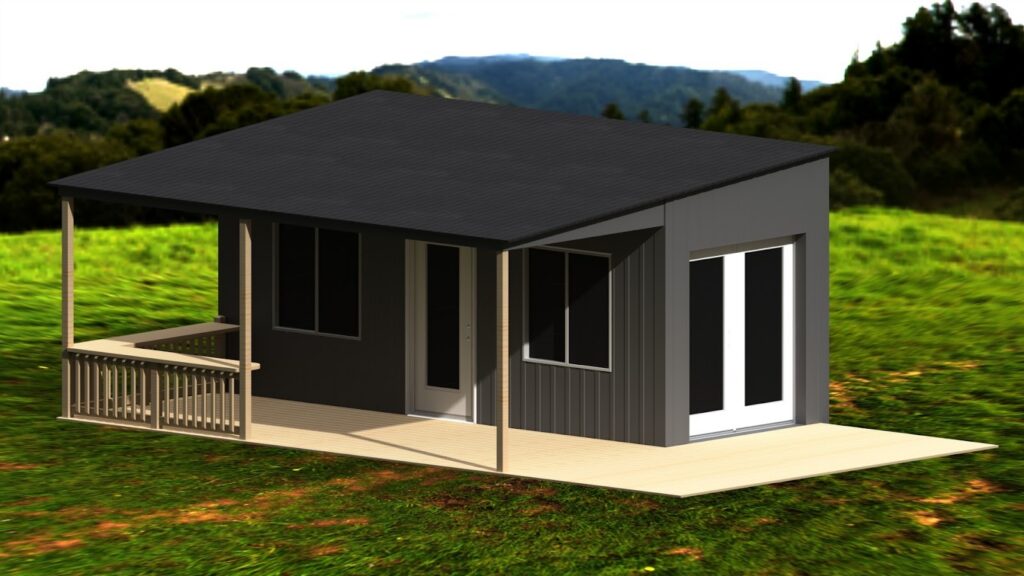
The Insula ADA Suite is a fully wheelchair-accessible, modular unit designed specifically for real communities and real conditions. It’s barrier-free by design. It’s dignified, not institutional. It can be deployed rapidly—far faster than traditional construction—and relocated as needs evolve.
And because it’s built for year-round Canadian use, it works where and when it’s needed most.
Why Municipalities and NGOs Are Turning to Modular Accessibility
Not just because it’s inclusive, but because it makes financial sense.
Starting at $89,999 to purchase, the Insula ADA Suite typically pays for itself within one to two years when compared to long-term rentals. Over five years, the total cost is significantly lower than renting. And unlike rentals, this is an asset—one that can be redeployed, reused, or even resold.
Accessibility, in this model, isn’t a sunk cost. It’s an investment for everybody.
Aligned with Funding Programs
This approach aligns directly with existing accessibility funding and policy frameworks. Programs like the Rick Hansen Foundation’s RBC Barrier Buster Grants and the EASE Grant are designed to remove physical barriers across Canada. Modular delivery helps communities maximize the impact of those grants, moving faster from funding approval to real-world access.
A Practical Path Forward
- Communities can address immediate accessibility gaps.
- They can deploy solutions quickly where urgency is highest.
- And they can build long-term, adaptable infrastructure that grows and shifts with community needs.
Accessibility shouldn’t be rare.
It shouldn’t be delayed.
And it shouldn’t be treated as optional.
With the right approach, accessibility can be delivered faster and better—for everyone.